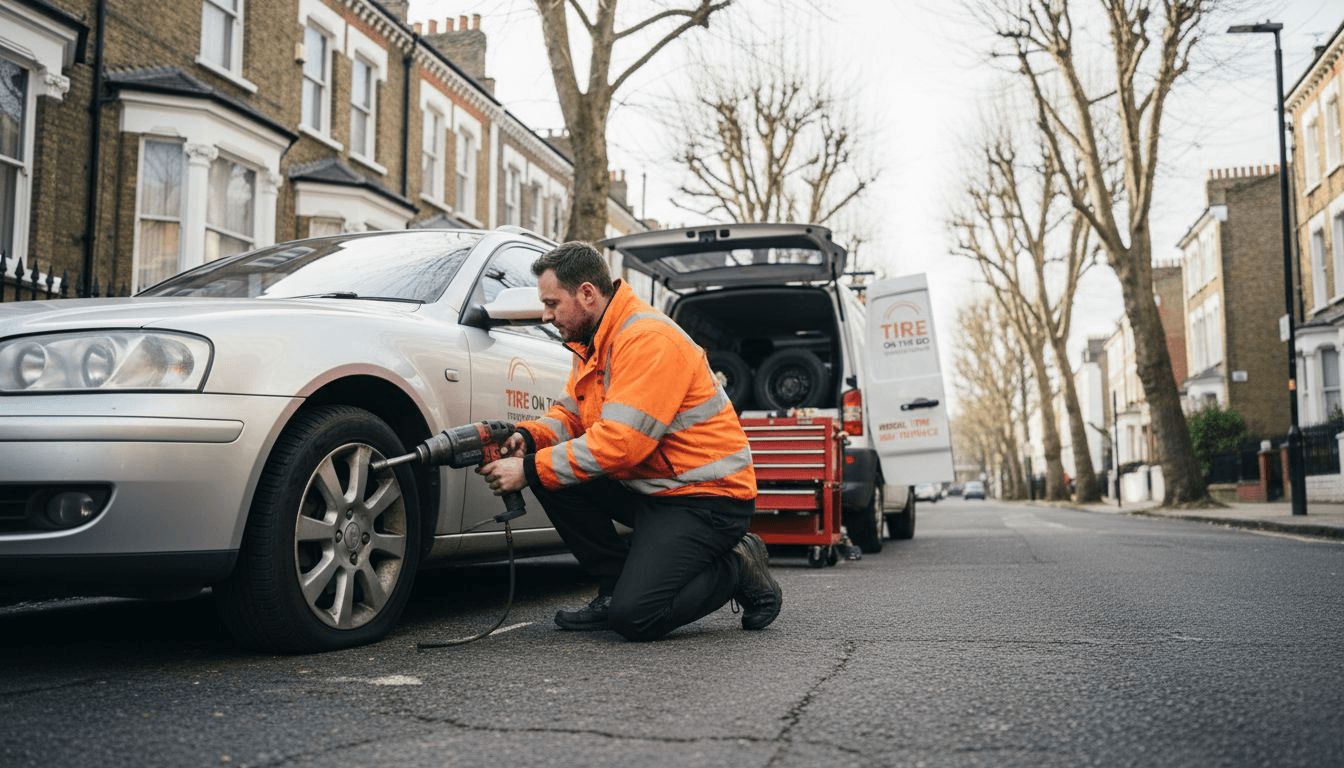
Many car owners in West London assume mobile tire fitting is a risky shortcut, but modern mobile technicians follow the exact same legal and safety standards as traditional garages. The difference? They bring certified expertise directly to your driveway or roadside location, eliminating the stress of limping to a shop on a damaged tire. Whether you're dealing with a slow puncture before work or a blowout on the M4, understanding how mobile tire fitting works can save you time and potentially prevent accidents.
Table of Contents
- What Is Home Tire Fitting And Why Is It Important?
- Legal Standards And Safety Regulations For Tire Fitting In The UK
- Common Tire Issues And How Mobile Fitting Addresses Them Safely
- How To Prepare For And What To Expect During A Mobile Tire Fitting Appointment
- Get Expert Mobile Tire Fitting Services In West London
- FAQ
Key takeaways
| Point | Details |
|---|---|
| Convenience meets compliance | Mobile tire fitting delivers professional service at your location while adhering to UK legal standards for tread depth and repair zones. |
| Safety protocols matter | Trained technicians follow strict procedures to prevent manual handling injuries and compressed air accidents during roadside service. |
| Repair versus replacement | Only punctures in the central 75% of tread are legally repairable; sidewall damage always requires full tire replacement. |
| Fuel efficiency impact | Proper tire pressure maintenance improves fuel efficiency by up to 3% and reduces accident risk significantly. |
What is home tire fitting and why is it important?
Home tire fitting, also called mobile tire service, brings a certified technician and all necessary equipment directly to your chosen location. Instead of driving on a damaged tire to a garage, you schedule an appointment and the expert arrives at your home, workplace, or breakdown spot. This service includes complete tire changes, pressure adjustments, visual safety inspections, and often same day availability across West London.
The importance extends beyond convenience. Driving on underinflated or damaged tires dramatically increases stopping distances and blowout risk. Proper tire pressure maintenance is crucial for safety and fuel efficiency, and mobile services often include pressure checks as standard practice. Research shows correct inflation can improve fuel economy by 3%, saving you money while protecting against accidents.
Mobile tire fitting particularly benefits drivers facing:
- Roadside emergencies where continuing to drive is unsafe
- Mobility challenges that make visiting a garage difficult
- Time constraints when you cannot afford hours at a service center
- Fleet vehicles requiring on site maintenance to minimize downtime
For West London drivers juggling busy schedules, mobile tire fitting services eliminate the hassle of arranging transportation to a garage, waiting in uncomfortable reception areas, and disrupting your entire day for a 30 minute job.
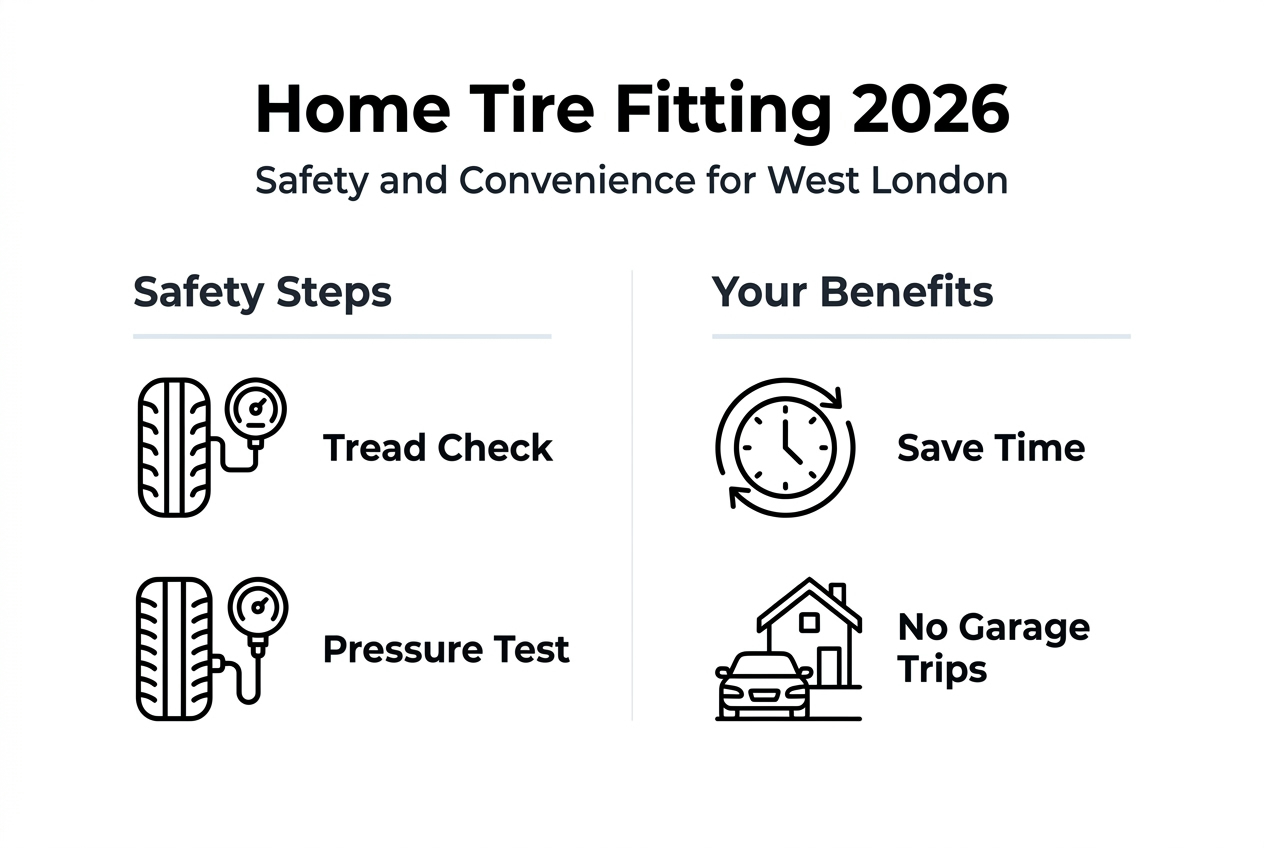
Legal standards and safety regulations for tire fitting in the UK
UK law establishes strict requirements for tire condition and repair methods to protect road users. Understanding these regulations helps you recognize when a repair is legal versus when replacement is mandatory, regardless of whether the work happens at a garage or your driveway.
The fundamental legal requirements include:
- Minimum 1.6mm tread depth across the central three quarters of the tire
- Only the central 75% of tread can be legally repaired following BS AU159 standard
- Sidewall and shoulder damage cannot be repaired under any circumstances
- All four tires must be free of cuts, bulges, or exposed cords
Violating these standards carries serious consequences. Drivers face £2,500 fines and 3 penalty points per illegal tire, meaning four worn tires could result in £10,000 in fines and potential license suspension. Insurance companies may also refuse claims if an accident involves illegal tires.
| Tread Depth | Legal Status | Action Required |
|---|---|---|
| Above 3mm | Optimal | Continue normal use |
| 1.6mm to 3mm | Legal but monitor | Consider replacement soon |
| Below 1.6mm | Illegal | Immediate replacement required |
Interestingly, UK law does not require vehicles to carry a spare tire. However, many breakdown cover policies specify response times based on whether you have a usable spare, potentially leaving you stranded longer without one. Mobile tire services solve this problem by bringing replacement tires directly to you.
Pro Tip: Check your tire tread monthly using the 20p test. Insert a 20 pence coin into the main grooves; if the outer band is visible, your tread is below the legal limit and you need replacement immediately.
Reputable professional tire services always follow these legal standards, refusing to perform repairs that would compromise safety or legality even if a customer requests them.
Common tire issues and how mobile fitting addresses them safely
West London drivers encounter various tire problems, from gradual air loss to sudden blowouts on motorways. Understanding common issues helps you recognize when professional help is necessary and what safe resolution looks like.
Typical tire problems include:
- Slow punctures from nails or screws embedded in tread
- Rapid deflation from larger puncture wounds
- Insufficient tread depth from normal wear
- Sidewall bulges indicating internal structural damage
- Uneven wear patterns suggesting alignment or suspension issues
Mobile technicians address these problems using strict safety protocols that protect both themselves and your vehicle. Manual handling injuries account for nearly half of all tire related incidents reported, which is why trained professionals use proper lifting techniques and specialized equipment rather than struggling with heavy tires by hand.
Equipment related risks also demand careful attention. Tool related injuries make up a quarter of incidents, particularly from hand tools such as tire levers, while compressed air accidents can result in serious injuries, including fatalities. Professional mobile fitters use calibrated inflation equipment and safety cages when inflating tires to prevent explosive failures.
Beyond visible damage, technicians inspect tire interiors for hidden problems. A small external puncture might mask internal sidewall separation or belt damage that makes the tire unsafe for continued use. This thorough assessment ensures the correct decision between repair and replacement, preventing situations where an inadequate repair fails at motorway speeds.
Pro Tip: Never attempt to inflate a tire that has been driven while flat. The sidewalls may have sustained internal damage that could cause sudden failure during inflation. Always have a professional inspect the tire first.
By choosing mobile tire safety procedures, you benefit from expertise and equipment that dramatically reduce risk compared to DIY approaches or roadside quick fixes.
How to prepare for and what to expect during a mobile tire fitting appointment
Maximizing the efficiency of your mobile tire service starts with proper preparation. Following these steps ensures the technician can work safely and complete the job quickly.
-
Contact the service with specific details. Provide your vehicle make, model, and year along with a description of the tire problem and your location. This allows the technician to bring the correct tire size and any specialized equipment your vehicle requires.
-
Choose a safe, accessible location. Park on level, firm ground away from traffic. Avoid soft surfaces like grass or gravel that could compromise jack stability. If you're on a roadside, position the vehicle as far from moving traffic as possible.
-
Ensure adequate lighting and space. The technician needs room to maneuver around the vehicle and access to the affected wheel. Evening appointments may require additional lighting, so mention if your location lacks street lights.
-
Have your vehicle documents ready. The technician may need to verify tire specifications from your vehicle handbook or door placard to ensure correct replacement sizing.
-
Secure any pets and clear the work area. Remove items that might obstruct access to the wheel or create tripping hazards during the service.
During the appointment, the technician will perform a systematic inspection before beginning work. They'll check tread depth across all tires, examine for visible damage, and verify tire pressure. If you have a puncture, they'll assess its location and size to determine if repair is possible. Repairs are only acceptable in the tread area and for small punctures; sidewall or shoulder damage should not be repaired.
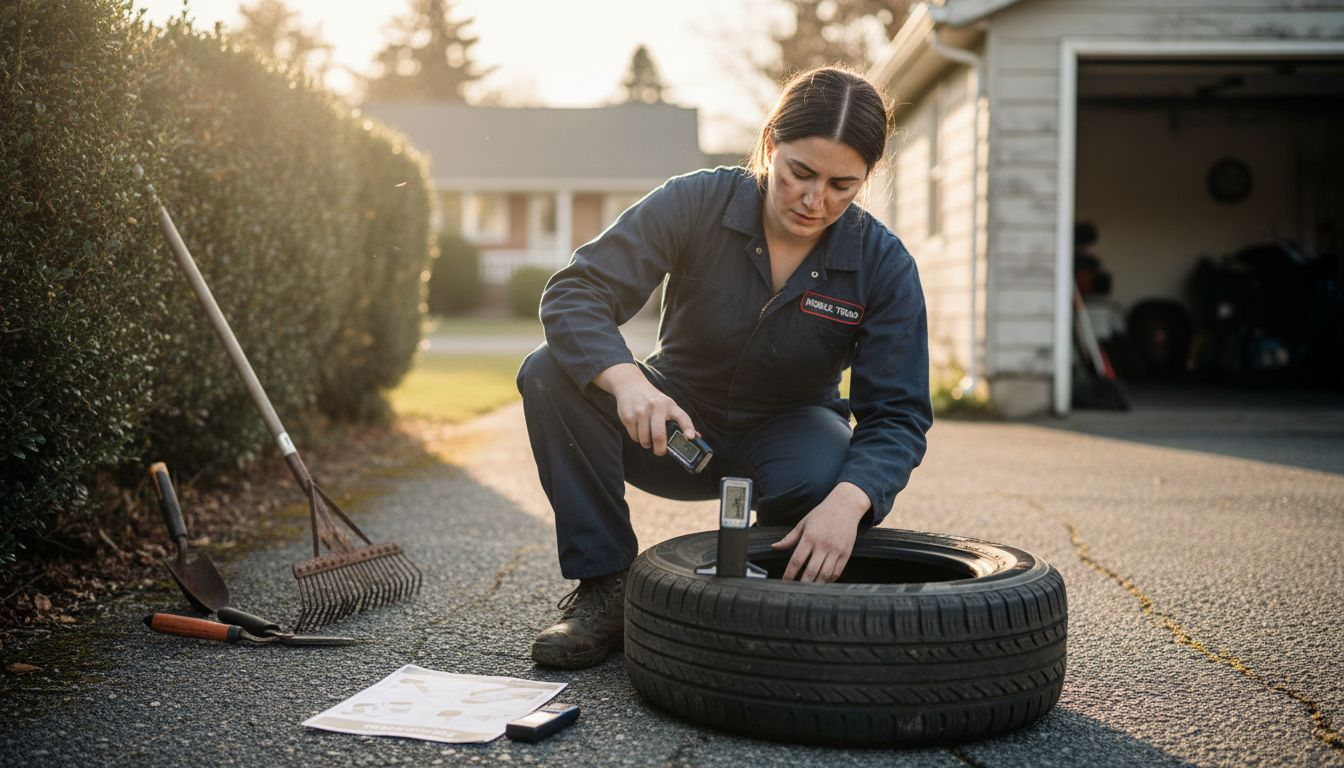
For repairable punctures in the legal zone, the technician removes the tire from the wheel, inspects the interior surface for hidden damage, applies a proper patch plug repair from inside the tire, and remounts it with correct torque specifications. Replacement situations follow the same careful process but with a new tire matched to your vehicle's specifications.
The finished service includes inflation to manufacturer recommended pressure, wheel balancing if necessary, and a final safety check. Professional services provide documentation of work completed and may offer disposal of your old tire.
Understanding the mobile tire fitting process helps you recognize quality service and ensures you receive the thorough, safe work your vehicle deserves.
Get expert mobile tire fitting services in West London
When tire trouble strikes, you need reliable help that comes to you without compromising on quality or safety standards. That's exactly what Harrow Mobile Tyres & Recovery delivers throughout West London and surrounding areas.
With over 10 years of industry experience, their certified technicians bring complete mobile tire fitting directly to your home, workplace, or roadside location. Every service follows UK legal standards for repairs and replacements, ensuring your vehicle remains safe and compliant. Whether you're dealing with a slow puncture, worn tread, or emergency blowout, their equipped vans arrive ready to solve your problem on the spot.

The convenience extends beyond tire fitting. Harrow Mobile Tyres and Recovery offers comprehensive roadside assistance including jump starts, lockout help, fuel delivery, and vehicle recovery when needed. Their quick response times mean you're never stranded for long, and transparent pricing eliminates surprise bills.
For West London drivers who value both safety and convenience, choosing mobile tire experts means professional service without the garage wait. Contact them today for same day appointments and experience the difference that proper mobile tire care makes.
FAQ
Is it legal to repair all punctures with mobile tire fitting?
No, repairs are only legal within the central 75% of tread according to BS AU159 standard. Sidewall or shoulder damage always requires full tire replacement regardless of puncture size. Mobile fitters strictly follow these regulations, refusing unsafe repairs even if requested, to keep you legal and protected on West London roads.
How often should I check my tire pressure when using mobile fitting services?
Check tire pressure monthly and before long journeys, as proper tire pressure maintenance is crucial for safety and fuel efficiency. Mobile fitters include pressure checks during service visits, but tires naturally lose 1 to 2 PSI monthly. Underinflation increases fuel consumption by up to 3% and dramatically raises blowout risk, making regular monitoring essential between professional services.
What should I do if my tire has sidewall damage?
Stop driving immediately if you notice sidewall bulges, cuts, or damage. Sidewall punctures cannot be repaired and require full replacement for both safety and legal compliance. The sidewall lacks the reinforcing belts found in the tread area, making repairs structurally unsound. Contact mobile tire fitting services for prompt replacement rather than risking catastrophic failure.
Can mobile tire technicians handle all vehicle types?
Most mobile services handle standard passenger vehicles, SUVs, and light commercial vehicles up to certain weight ratings. Specialized vehicles like high performance sports cars, vehicles with run flat tires, or heavy commercial trucks may require specific equipment or garage facilities. Always inform the service about your vehicle type when booking to ensure they bring appropriate tools and tire stock.
How long does a typical mobile tire fitting take?
Simple tire replacement usually takes 30 to 45 minutes per tire, while puncture repairs may require 20 to 30 minutes after assessment. Complex situations involving seized wheel bolts, corroded rims, or multiple tire replacements take longer. Mobile technicians work efficiently but never rush safety critical steps like torque specifications or pressure checks, ensuring quality results at your location.